Key Fob Buttons Work but Car Won't Start or Unlock
Key Fob Buttons Work but Car Won't Start or Unlock in Fort Worth
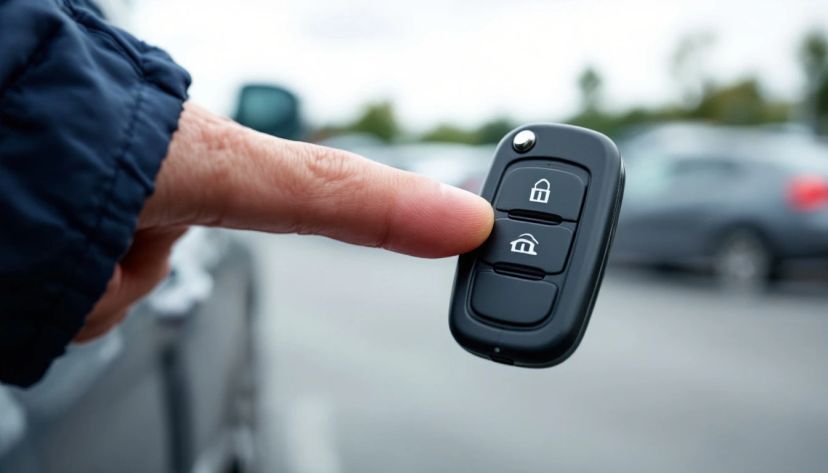
When your key fob's buttons light up or click but the car won't respond, the problem is usually either a weak fob battery that can still power the LED but not transmit properly, a failed receiver antenna in the car, or a security module that no longer recognizes your fob's encrypted signal. The fob itself is often fine—the failure is typically in how the car receives or authenticates the command. Call or text (817) 842-1256 for mobile diagnostic service anywhere in Fort Worth or Tarrant County; we test both the fob and the vehicle's receiver system at your location and provide flat-rate pricing before starting any work.
This scenario is frustrating precisely because the fob appears functional. The LED blinks, the buttons click, and nothing is visibly broken—yet the doors stay locked and the engine will not start. Understanding where the signal chain breaks down helps you decide whether you need a battery, a fob replacement, receiver repair, or module reprogramming.
What It Means When the Fob Lights Up but Nothing Happens
A working LED does not prove the fob is transmitting. The indicator light draws minimal current and will illuminate even when the battery voltage has dropped below the threshold required to power the radio-frequency transmitter. Many drivers replace the battery, see the light still working, and assume the fob is fine—when in fact the battery was the problem all along, just not fully depleted.
Modern key fobs use rolling-code encryption. Each button press generates a unique code that the car's receiver module validates against an internal sequence. If the fob's battery is weak, the transmitted signal may be too faint to reach the antenna or may arrive corrupted, causing the car to ignore it. The fob does not know the signal failed; the LED blinks regardless of whether transmission succeeded.
When the fob is genuinely transmitting and the car still does not respond, the failure is in the vehicle. Common culprits include a damaged receiver antenna (often mounted in the rear glass or door handle), a failed body control module, a blown fuse in the remote entry circuit, or a security module that has lost fob synchronization due to memory corruption or power interruption.
The Four Most Common Causes and How to Tell Which One You Have
Low fob battery: The car responds intermittently, works when you hold the fob closer to the door handle or dash, or suddenly works after several presses. Replacing the battery with a fresh CR2032 or CR2025 (depending on the fob model) is the cheapest and fastest test. If you replaced the battery recently, check that it was installed with the correct polarity and that the contacts inside the fob are clean and making firm contact.
Fob transmitter failure: The fob shows no intermittent success, works at no distance, and a spare fob (if you have one) operates normally. Physical damage, water intrusion, or a failed circuit board can kill the transmitter while leaving the LED functional. If you have access to a second fob for the same vehicle and it works perfectly, the problem is isolated to the first fob's hardware.
Vehicle receiver antenna or module: Neither fob works, even with fresh batteries, but both fobs' LEDs light normally. The vehicle's receiver antenna, body control module, or a related fuse has failed. This is common after a dead battery event, aftermarket alarm installation, or collision repair that disturbed wiring near the antenna. The receiver circuit may also fail on its own due to age or water damage.
Security desynchronization: The fob and car have lost their cryptographic handshake. This can occur if the fob's battery was removed and reinstalled incorrectly, if the fob buttons were pressed many times while out of range (exhausting the rolling-code window), or after certain module replacements. The fob is healthy, the receiver is healthy, but the security module refuses the code. Reprogramming or resyncing is required, and the procedure varies by make and model.
A simple test: try your spare fob if you have one. If the spare works, the problem is in the first fob. If neither works, the problem is in the car. If only one door or function responds, the issue may be localized to a specific antenna or control module rather than the fob itself. For details on single-button failures when other buttons on the same fob still work, see One Button on My Key Fob Stopped Working: Causes, Tests and Fort Worth Costs.
Battery Versus Receiver: Testing the Difference Without a Scanner
Stand next to the driver's door and press the unlock button while watching for any dashboard or interior light flicker, door lock actuator noise, or instrument cluster response. If you hear a faint click from the door lock actuator or see any brief flicker of the interior lights, the receiver is detecting the signal but something downstream is preventing the full unlock. That points to a control module, actuator, or wiring fault rather than a fob or receiver issue.
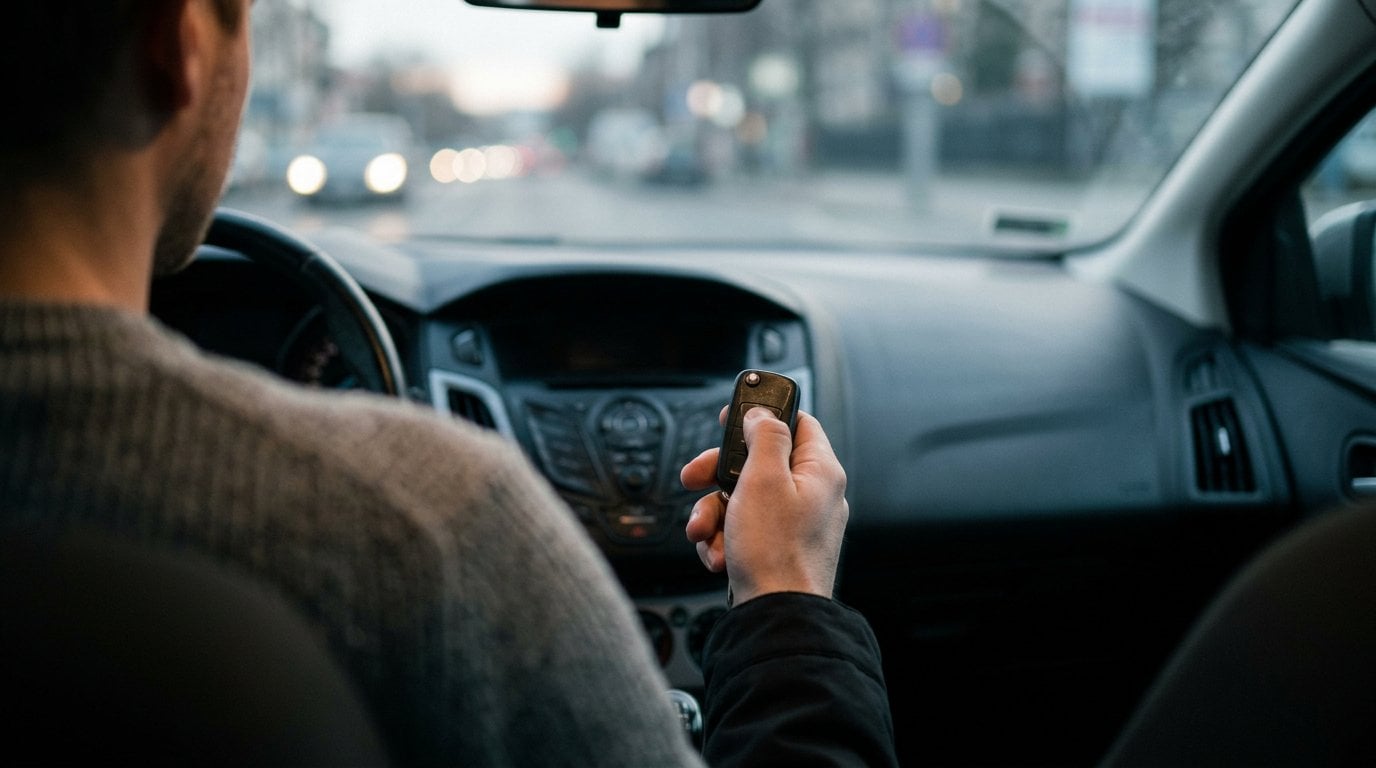
If there is zero response—no sound, no flicker, no movement—try holding the fob directly against the door handle or the start button (if your vehicle is push-to-start). Many vehicles have a backup proximity antenna in the door handle or start button assembly that can detect the fob's passive transponder chip even when the active transmitter has failed. If the car unlocks or starts only when the fob is touching or within an inch of the handle or button, the fob's transmitter is weak or dead.
Remove the fob's battery, wait thirty seconds, and reinstall it with firm, even pressure. Some fob designs have battery contacts that corrode or lose spring tension over time, creating intermittent connection even with a new battery. Wipe the battery and contacts with a dry cloth, ensure correct polarity, and test again.
If you recently had a dead car battery or disconnected the battery for service, the vehicle's body control or security module may have lost fob synchronization. Many manufacturers require a relearn procedure after power loss. Some relearn procedures are simple (insert key, cycle ignition, press lock and unlock in sequence), but others require dealer-level or locksmith scan tools to re-write the fob ID into the module's memory. For vehicles that lost fob recognition after a battery service, see Car Won't Start After a Battery Replacement or Jump Start (Fort Worth).
When the Problem Is Inside the Car, Not in Your Hand
Modern vehicles use multiple antennas and control modules to process remote entry and push-button start. A typical setup includes a receiver antenna (often in the rear glass or tailgate), a body control module that decrypts the signal and commands the door locks, and an immobilizer or security module that validates the fob before allowing the engine to start. Failure in any link breaks the chain.
Antenna damage is common after rear-window replacement, aftermarket tinting, or collision repair. The antenna is a thin wire grid embedded in or adhered to the glass, and it connects to the body control module via a small plug. If that plug is loose, corroded, or disconnected, the car becomes deaf to the fob even though the fob transmits perfectly. Similarly, aftermarket alarm or remote-start installations sometimes tap into or disrupt factory receiver circuits, causing fob commands to be ignored.
Body control module failure can occur due to water intrusion (often from clogged sunroof drains or door-seal leaks), voltage spikes during jump-starts, or simple age. When the module fails, remote entry, interior lights, power windows, and other convenience functions may all stop working simultaneously. Diagnosis requires a scan tool capable of reading body control module fault codes and live data.
Some vehicles store fob data in the instrument cluster or gateway module rather than the body control module. If you recently replaced the cluster and now the fob does not work, the cluster may need to be programmed to recognize the existing fobs. For details on cluster-related start issues, see Replaced the Instrument Cluster and Now the Car Won't Start: Fort Worth Guide.
What a Mobile Locksmith Can Fix at Your Location and What Requires a Shop
A mobile automotive locksmith can replace fob batteries, test fob transmission with a frequency analyzer, program new or existing fobs to the vehicle using OBD-II or direct module connection, and perform many relearn or resync procedures on-site. We carry fresh batteries for most common fob types, blank fobs for many makes and models, and factory-grade diagnostic software for domestic, Asian, and European vehicles. All of this work is done at your car's location—your driveway, workplace parking lot, or roadside in Fort Worth and surrounding Tarrant County communities including Arlington, Hurst, Bedford, and Keller.
What we generally cannot do at the curb is physical receiver antenna repair, body control module replacement, or removal and bench repair of control modules that require soldering or circuit-board-level work. If diagnosis reveals a failed antenna or module, we can identify the part, provide guidance on sourcing it, and return to program or initialize the replacement once it is installed. In some cases we work with local automotive electrical shops to coordinate diagnosis and repair when the failure is beyond typical locksmith scope.
Texas locksmith companies and technicians must follow state licensing and vehicle-ownership verification requirements. Reputable automotive locksmiths should be able to show business identification, insurance, and proof of authorization before performing vehicle key work. We require photo ID and vehicle registration or title that match before programming or replacing fobs, both to comply with legal requirements and to protect vehicle owners from unauthorized key duplication.
Pricing depends on the service required. Fob battery replacement is inexpensive; programming a new fob ranges from moderate to higher cost depending on the vehicle's security system and whether the fob itself must be sourced. Body control or security module programming typically costs more due to tool licensing and procedure complexity, but remains less expensive and more convenient than dealership service because we come to your location and often complete the work the same day. Call or text (817) 842-1256 for a flat-rate quote specific to your vehicle year, make, and model before we dispatch.
Frequently Asked Questions
Can I program a new fob myself if my old one still works?
Some vehicles allow owner-driven fob programming using a series of ignition and button presses, but many modern cars require dealer-level or locksmith scan tools to write fob data into the security module. If your vehicle supports self-programming, the procedure is usually in the owner's manual or available online for your specific year and model. If that procedure fails or is not available, professional programming is required.
Why does my fob work only when I am very close to the car?
Weak fob battery, corroded battery contacts, or a failing transmitter inside the fob all reduce signal strength, requiring you to be within a few feet or even touching the door handle for the car to respond. Replace the battery first, ensure the contacts are clean, and test again. If the problem persists with a fresh battery, the fob's transmitter circuit is likely failing.
Will disconnecting my car battery erase my fob programming?
Most vehicles retain fob programming through a battery disconnect, but some models—especially certain European and luxury vehicles—require a relearn procedure after power loss. If your fob stopped working immediately after a battery replacement or jump start, a relearn or resync is likely needed.
Can a mobile locksmith program a fob for a push-button start vehicle?
Yes. Push-button start vehicles require both remote-entry programming (to unlock the doors) and immobilizer programming (to authorize engine start). A mobile locksmith with the correct tools and software can program both functions at your location. For broader push-button start troubleshooting, see Push-Button Start Not Working in Fort Worth (2026 Diagnostic Guide).
My spare fob works but my primary fob does not. Is it the battery?
If one fob works and the other does not, the non-working fob has a hardware problem—most often a dead battery, but possibly a failed transmitter, damaged circuit board, or corroded contacts. Replace the battery and clean the contacts; if it still does not work, the fob itself must be repaired or replaced.
Get Help Where Your Car Is Parked
When your key fob buttons light up but the car will not start or unlock, you do not need a tow and you do not need to wait days for a dealership appointment. Mobile automotive locksmith service brings diagnostic tools, fresh batteries, blank fobs, and programming equipment to your driveway, parking lot, or roadside location anywhere in Fort Worth and Tarrant County. We test both the fob and the vehicle's receiver system, provide flat-rate pricing before starting work, and complete most jobs the same day.
If you have tried a fresh battery and the problem persists, or if you need a new fob programmed or an existing fob resynced to your vehicle, call or text (817) 842-1256 for mobile service. We handle all key types—traditional transponder, remote-head, smart fob, and push-to-start—for domestic, import, and luxury vehicles. Ownership verification is required, and pricing is quoted upfront with no hidden fees or surprise charges after the work is done.
Related reading
- One Button on My Key Fob Stopped Working: Causes, Tests and Fort Worth Costs
- Car Won't Start After a Battery Replacement or Jump Start (Fort Worth)
- Key Turns and Nothing Happens in Fort Worth: Ignition Switch, Starter or Security?
- One Car Key Works and the Other Does Not: Fort Worth Diagnostic Guide
- Car Key Fob Battery Replacement in Fort Worth (2026 Guide)