The short answer
As of August 2026 in Fort Worth, an aftermarket fob that will not program has one of five causes: wrong frequency or chip, a used fob locked to another vehicle, an unrecognised transponder blank, a programming limit or security lockout on the car, or a fault in the vehicle that was never about the fob. Only the last two are recoverable by skill. The other three are hardware, and no amount of trying fixes them.
Why this is so common now
The economics are obvious the moment you look at them. A programmed key from a franchise dealer is a substantial invoice; a visually identical fob on a marketplace is a small fraction of that. People do the reasonable thing, order the cheap one, and then discover that the difficult and expensive part was never the plastic.
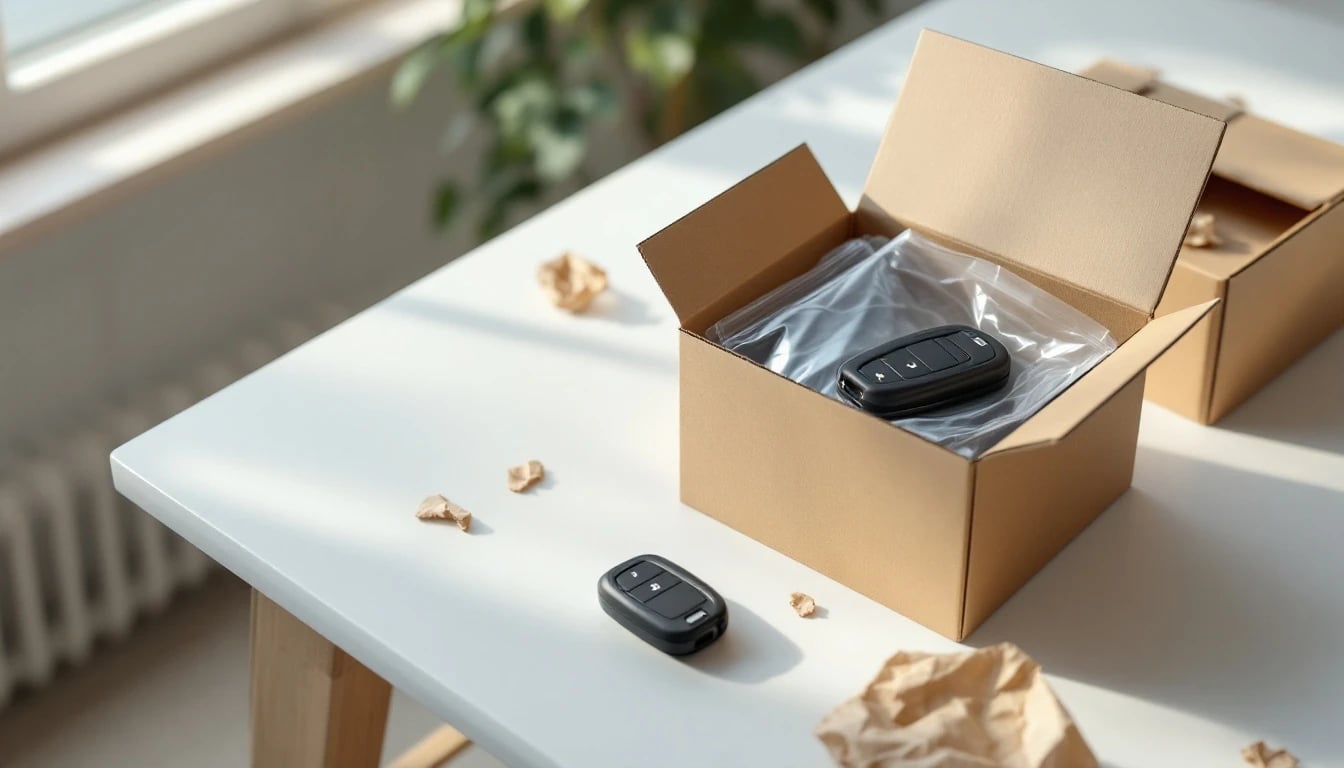
We see the aftermath weekly. Someone has a box on the kitchen table, two or three failed attempts behind them from following a video, and a car that now behaves worse than it did before they started. Sometimes the fob was fine and the procedure was wrong. More often the fob was never going to work and the procedure was irrelevant.
This article is the diagnostic order we actually use, written out so you can run most of it yourself before spending anything further.
The five failure modes, in the order they occur
| # | What went wrong | How you can tell | Recoverable? |
|---|---|---|---|
| 1 | Wrong radio frequency for the vehicle | Buttons do nothing at all, no lock chirp, no dash response | No — wrong hardware |
| 2 | Used fob already locked to another vehicle | Looks correct, procedure runs, refuses at the final step | Usually no |
| 3 | Transponder chip is wrong or a blank type your car rejects | Doors respond, engine will not start or immediately stalls | No — wrong hardware |
| 4 | Vehicle in programming lockout after repeated attempts | Was working through the procedure, now nothing responds | Yes, with equipment and time |
| 5 | Receiver, antenna ring or module fault in the car | Original fob also misbehaves; symptom predates the new fob | Yes — but it is a vehicle repair |
Notice that three of the five are decided before you open the box, one is caused by trying, and one was never about the fob. That distribution is the whole reason we ask people to stop after the second failed attempt rather than the fifth.
1. Wrong frequency
Vehicle remotes transmit on specific radio frequencies, and manufacturers vary them by market and by model year. A fob built for a different market or a different generation can be physically identical and electronically deaf. The tell is total silence: no lock chirp, no interior light response, no acknowledgement of any kind, even during a procedure that should produce one.
This is not fixable. The radio inside the fob is what it is.
2. A used fob that belongs to another car
Marketplace listings for used fobs are extremely common because they are cheap and they look like a bargain. On many platforms a fob that has been paired to a vehicle carries that pairing permanently. It will look perfect, run through the procedure convincingly, and refuse at the moment of truth.
Some platforms allow a used fob to be reset for reuse and many do not. Buying used to save money is a gamble where you cannot see the odds, which is why we tell people to buy new even when the used one is a third of the price.
3. The transponder chip is wrong
This is the most confusing failure for owners because it produces partial success. The remote functions — lock, unlock, panic — work fine, because those are a simple radio transmission that many generic fobs handle. Then the engine will not start, or starts and immediately dies.
Those are two different systems. The remote is convenience; the transponder is security. The National Highway Traffic Safety Administration has documented the mandated and voluntary adoption of engine immobilisers precisely because they are the component that defeats theft, and the Insurance Institute for Highway Safety has measured the resulting drop in theft rates for equipped vehicles. That security layer is doing exactly what it was designed to do when it rejects an unrecognised chip. It is not a malfunction.
4. Programming lockout — the one you cause
This is the expensive one, and it is the reason this article exists.
A number of platforms count consecutive failed programming attempts. Exceed the threshold and the vehicle enters a protective lockout: a timed delay, a requirement for a higher level of access, or in the worst cases a state where the previously working keys have been dropped and no new one has been accepted. That last outcome converts a cheap convenience purchase into an all-keys-lost recovery.
The rule that avoids all of this is simple and unglamorous: two failed attempts, then stop. Not five, not "one more time to be sure." Whatever is wrong is not going to become right on the third try, and the third try is where the cost curve turns upward.
Nine out of ten of these calls would have been a routine visit if the customer had stopped after the second attempt. The tenth one had already put the car into lockout with one working key on the table, and that turned a spare-key job into a recovery job in about four minutes of button-pressing.
— Automotive locksmith, 16 years in mobile programming, credentials verified, name withheld by request
5. The car, not the fob
The last possibility is the one nobody wants to hear: the new fob is fine and your vehicle cannot accept any fob right now.
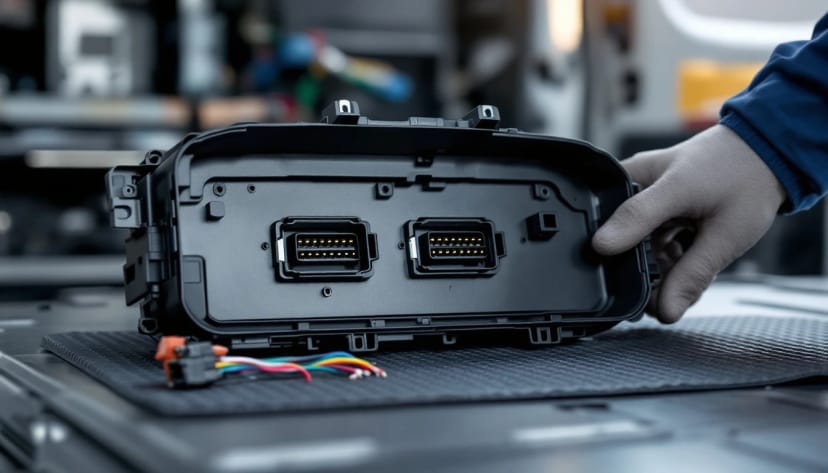
Receivers fail. Antenna rings around ignition barrels break their wiring. Body control and immobiliser modules develop faults, sometimes after a flat battery, a jump start, water intrusion, or unrelated work. The tell is that the symptom is not confined to the new fob — your original key is also intermittent, or the vehicle has been doing something odd for weeks and the fob purchase was an attempt to fix it.
If that describes your car, programming was never the answer. Our module programming page covers what this class of repair involves, and there are worked examples in the Infiniti Q50 and QX60 BCM guide and the Kia Telluride and Hyundai Palisade fob programming guide.
How to buy a fob that actually works
If you are going to buy your own, buy like this:
Start from the part number, not the picture. Flip your existing fob over. Most carry a printed identifier. That string, plus your VIN, is what a competent seller needs to sell you the correct item. A listing that describes a fob only as fitting a range of years and models across several manufacturers is not describing a specific part.
Confirm the frequency explicitly. A serious seller states it. If the listing does not, that is information about the seller.
Buy new. The saving on used is real and so is the risk of a permanent pairing you cannot clear.
Buy returnable. Even doing everything right, a proportion of aftermarket hardware is simply wrong. A seller who accepts returns has priced that in; one who does not has transferred it to you.
Check the seller against basic consumer sense. The Federal Trade Commission publishes guidance on online marketplace purchases that applies here as much as anywhere: verify who you are buying from, understand the return terms before paying, and treat a price far below every other seller as information rather than luck.
What it costs to sort out, either way
Our published bands are the same whether the hardware came from us or from a box on your table.
Programming a modern proximity or smart fob sits in the $220 to $500 band. An older bladed transponder key sits in the $120 to $200 band. Those figures include the key when we supply it. If you supply a fob and it programs successfully, you are paying for the visit and the programming rather than for hardware. If it fails and we supply one, you pay the ordinary banded price for the key we provide — not a penalty, and not the failed attempt on top.
Recovery from a programming lockout is quoted separately, because the work depends entirely on how far the lockout went. This is the cost that people do not anticipate, and it is genuinely avoidable by stopping early.
The Associated Locksmiths of America consumer guidance is worth a glance if you are choosing who to call: the profession has a real credentialing structure, and in Texas automotive locksmiths operate under the Department of Public Safety Private Security Program. Ownership verification — title or registration plus matching photo ID — is required for key work, every time, including when you supply your own fob. A company that programs security credentials into a vehicle without checking whose vehicle it is has told you what it is.
The sequence we would follow if it were our car
- Put a fresh battery in your original fob first. A startling share of "I need a new fob" situations end here, for a couple of dollars. Our fob battery guide covers it.
- Establish whether the original fob is healthy. If it is also misbehaving, stop thinking about the new fob — you have a vehicle problem.
- Compare part numbers. New fob against old fob. If they do not match, you have your answer already.
- Attempt the procedure at most twice. Then stop, whatever happens.
- Note exactly what the car did. Which functions worked, which did not, at which step. That description is worth real money in diagnosis time.
- Call before the third attempt, not after the sixth.
That order costs nothing to follow and it resolves the majority of cases without a visit at all.
When it is not worth saving the fob
There is a point at which continuing to rescue an online purchase costs more than replacing it, and it arrives sooner than people expect.
If the fob is the wrong frequency or carries the wrong transponder, it has no path to working and the money is gone — the only remaining question is whether the seller will take it back. If the vehicle is in lockout, the recovery is the job regardless of which fob eventually goes in, and it makes little sense to complete an expensive recovery using hardware of unknown provenance. If the fault is a receiver or module, the fob was never relevant.
The situation where persevering does pay off is the boring one: correct part number, correct frequency, new not used, and a procedure that was simply performed incorrectly. That one programs on the first proper attempt and everybody is pleased.
For the wider price picture across every kind of key work, the how much a locksmith costs in Fort Worth breakdown is the reference, and the difference between the two main key technologies is explained in transponder key versus key fob if the terms in this article were unfamiliar. If you are shopping rather than troubleshooting, the key fob programming page covers what we supply.
Frequently Asked Questions
Why will my online key fob not program?
There are five common reasons and they are genuinely different problems: the fob is the wrong frequency or chip type for your vehicle, it is a used fob already locked to another car, the transponder inside is a blank the vehicle does not recognise, your vehicle has reached a programming limit or entered a security lockout, or the fault was never the fob at all and your car has a receiver or module problem. Only the last two are things a locksmith can work around, and both cost more than the fob did.
Can a locksmith program a fob I bought myself?
Often yes, and we do it regularly. What we will not do is promise a result on a part we did not supply, because the failure rate on unbranded fobs is high enough that a guarantee would be dishonest. Our practical approach is that we will attempt your fob first at no extra charge over the programming visit, and if it will not take, we supply one that will and you keep the online one as a paperweight or return it.
Is a cheap online fob actually the same as a dealer one?
Sometimes it is genuinely equivalent and sometimes it is a shell with the wrong internals. The two things that decide it are the radio frequency and the transponder chip, and neither is visible from a product photo. Reputable sellers publish the exact part number and frequency; the listings that do not are the ones that end up in the drawer. A fob that looks identical to yours can still be electronically wrong in a way no amount of button-pressing will fix.
Can programming a bad fob damage my car?
Damage is rare, but making the situation worse is not. Several platforms count failed programming attempts and will enter a security lockout after too many, which forces a longer and more expensive recovery than the original job needed. A few systems will also wipe the currently programmed keys as part of entering a new one, so a failed attempt while you hold only one working key is a genuinely bad position to be in.
What does it cost to have a fob programmed in Fort Worth?
As of August 2026, programming a proximity or smart fob falls in the $220 to $500 band and an older transponder key in the $120 to $200 band, with those figures covering the key itself when we supply it. If you supply a working fob that programs successfully, you are paying for the programming visit rather than the hardware. If your fob fails and we supply one, you pay the normal banded price for the key we provide.
How do I buy a fob that will actually work?
Buy on the part number and the frequency, not on the photo. Your existing fob usually carries a printed identifier on the back, and that identifier plus your VIN is what a competent seller needs. Buy new rather than used — a used fob may be permanently locked to the vehicle it came from. And buy from a seller who will accept a return, because even doing everything right, some proportion of aftermarket hardware simply is not right.
My new fob unlocks the doors but will not start the car. Why?
Because those are two separate systems and only one of them accepted your fob. The remote lock and unlock function is a radio transmission; starting the engine requires the transponder or proximity credential to be authorised by the immobiliser. A fob can pair with the remote side and fail on the security side, which is one of the clearest signs that the transponder inside it is wrong for your vehicle rather than that the programming was done badly.
Should I just buy the fob from you instead?
It is usually the cheaper path once you count the failed attempt. When we supply the key, the price is banded and known, the hardware is correct for your VIN, and the outcome is our responsibility rather than a seller who is not in the country. If you have already bought one, bring it out anyway — we would rather try it and save you money than have you pay twice for the same result.
References
- National Highway Traffic Safety Administration — immobiliser and vehicle anti-theft standards.
- Insurance Institute for Highway Safety — theft-rate research for immobiliser-equipped vehicles.
- Federal Trade Commission — online marketplace and consumer purchase guidance.
- Associated Locksmiths of America — professional credentialing and consumer selection guidance.
- National Automotive Service Task Force — legitimate vehicle security data access for independents.
- Bureau of Labor Statistics — vehicle maintenance and repair cost trends.
- Society of Automotive Engineers — vehicle electronics and communications standards.
Bring the fob out and we will try it
If it is already on your table, bring it to the appointment. We will attempt your fob before opening one of ours, and you will get a straight answer about which of the five failure modes you are looking at rather than a shrug.
Call or text 817-842-1256, Mon–Sun 8AM–8PM, anywhere in Fort Worth and Tarrant County. Have your VIN and the part number off the back of your original fob ready and the phone call takes two minutes. You can also reach us through the contact page.
Written to the Fort Worth Car Keys field-service review standard. Prices reflect published Fort Worth service bands as of August 2026. We do not guarantee results on customer-supplied hardware, and we say so before the visit rather than after.