Valet key replacement in Fort Worth, in one screen
The valet key is one of the most useful keys most owners forget they have — or never received when they bought a used car. It starts and drives the vehicle but is restricted from opening the trunk and glovebox, so you can hand it to a parking attendant, a mechanic, or a dealership without exposing whatever you have locked away. If yours is missing, worn, or you want one for peace of mind, a mobile locksmith can make one.
As of July 2026, here is the short version for Fort Worth drivers:
- A valet key starts and drives the car but is restricted from the trunk and/or glovebox — a limited-access key by design.
- On a vehicle with an immobilizer, a valet key still carries a transponder chip and is programmed like any key, so it falls in the $120-$200 transponder band on most cars ($220-$500 on some smart-key vehicles).
- Many modern push-button cars use a software "valet mode" instead of a separate physical valet key.
- A mobile locksmith cuts and programs one on-site — no dealer trip.
The Federal Trade Commission's guidance on hiring a locksmith recommends a clear estimate before work — and confirming whether your car uses a valet key or valet mode is step one.
What a valet key actually does
The concept is simple and genuinely useful: give someone the ability to drive your car without giving them access to everything in it.
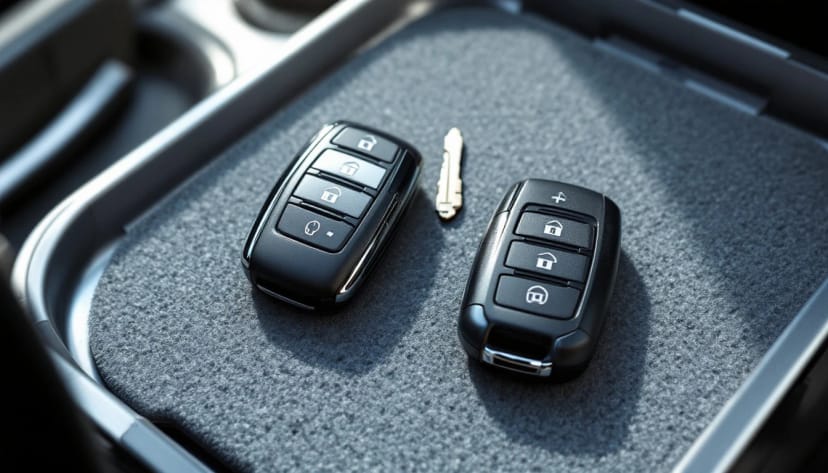
A traditional valet key is cut so its blade operates the ignition and the door locks — everything needed to start and drive — but not the trunk lock and, on many cars, not the locking glovebox. The idea is that you leave your registration, garage remote, or valuables in the glovebox or trunk, hand the valet key to a parking attendant or service writer, and drive off knowing those compartments stay locked. It is a small feature with an outsized peace-of-mind payoff.
Compare that to your master key, which does everything: ignition, doors, trunk, and glovebox. The two keys look similar; the difference is entirely in which locks the blade is cut to operate (and sometimes the valet key simply lacks the remote buttons your master fob has).
Valet keys were most common from the 1990s through the 2010s on sedans and luxury cars with a lockable trunk and separate glovebox lock. On those vehicles, the valet key was often a plainer, button-less key tucked into the owner's packet — which is exactly why so many second-owners never got one and do not realize it existed.
Half the valet keys I make are for people who just bought a used car and found a reference to a valet key in the manual but never got one. The other half are owners who want to hand something safe to the shop or the parking garage. On an immobilizer car it is still a chipped, programmed key — the valet part is just which locks the blade opens. People are surprised it is basically a normal key job with a specific cut.
— ALOA Registered Locksmith (RL), DFW automotive-specialty operator, 11 years experience (anonymized)
Valet key vs. valet mode: the modern shift
Here is the update most owners have not caught up on. As cars moved to push-button start and proximity fobs, the separate physical valet key faded, because there is no blade going into an ignition to restrict. In its place, many manufacturers added a software valet mode:
- You enable valet mode from the dashboard or infotainment, sometimes behind a PIN.
- It can limit top speed, lock the trunk/frunk and glovebox electronically, restrict the audio, or block access to stored addresses and personal data.
- You simply hand over your normal fob with valet mode engaged.
So on a newer vehicle, "valet key replacement" may not apply at all — you have valet mode instead, and there is no separate key to make. Your owner's manual states clearly whether your car uses a physical valet key or a software valet mode. If it is the software kind, our key fob programming and smart key replacement pages still apply for the fob itself; the valet restriction is just a menu setting.
Valet key cost in Fort Worth
This table maps the scenario to the realistic Fort Worth cost picture. The operator confirms after identifying your vehicle and key type.
| Scenario | What it involves | Fort Worth cost picture |
|---|---|---|
| Valet key, immobilizer car, master key present | Cut valet blade + program chip | $120-$200 (transponder) |
| Valet key, button-less, older sedan | Cut valet blade + program | Lower end of transponder band |
| Non-chip valet key (very old vehicle) | Cut blade only | Basic cut |
| Smart-key vehicle emergency/valet blade | Cut emergency blade + program fob | $220-$500 (smart) |
| Valet key, no working master (AKL) | Program from scratch + proof of ownership | $180-$450+ |
| Software valet mode (newer car) | No separate key needed | Enable in settings |
A note on the ranges: on an immobilizer vehicle a valet key is a chipped, programmed key, so it lands in the same $120-$200 transponder band as a standard key — often toward the lower end because it frequently has no remote buttons. Confirm your year, make, and model when you call so we bring the right blank.
Does a valet key still need a chip?
Yes — this trips up a lot of people. On any vehicle built with an immobilizer (which is essentially every car since the late 1990s under the National Highway Traffic Safety Administration's anti-theft framework, FMVSS 114), the engine will not run unless the key's transponder chip is recognized. A valet key is no exception: it must be a chipped, programmed key to start the car.
The "valet" part is entirely about the mechanical cut — which physical locks the blade turns. A valet key is cut to operate the ignition and doors but not the trunk or glovebox. It still needs the same electronic programming as your master key. This is why a hardware-store blade copy will not work as a valet key any more than as a master key; it must be cut correctly AND programmed. Our transponder key programming page covers the electronic side.
How a mobile locksmith makes a valet key
At your location, a licensed operator:
- Confirms your car uses a valet key (not valet mode) and identifies the correct blank.
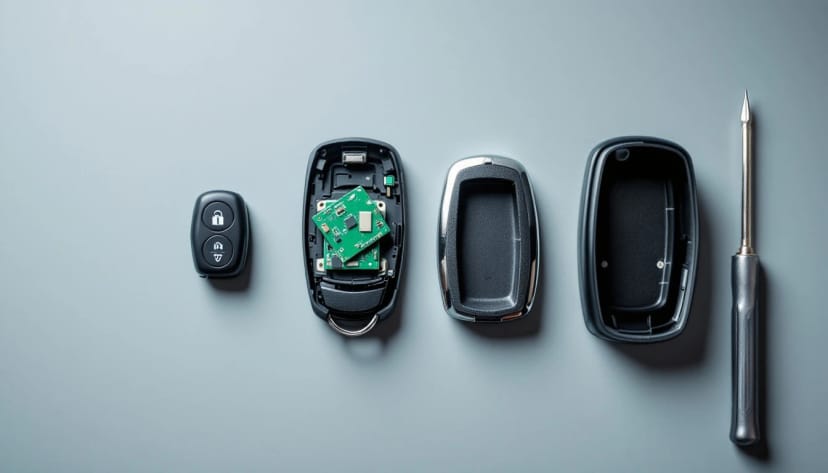
- Cuts the valet blade to the vehicle's key code so it operates the ignition and doors but not the trunk/glovebox, per the manufacturer's valet cut for your model.
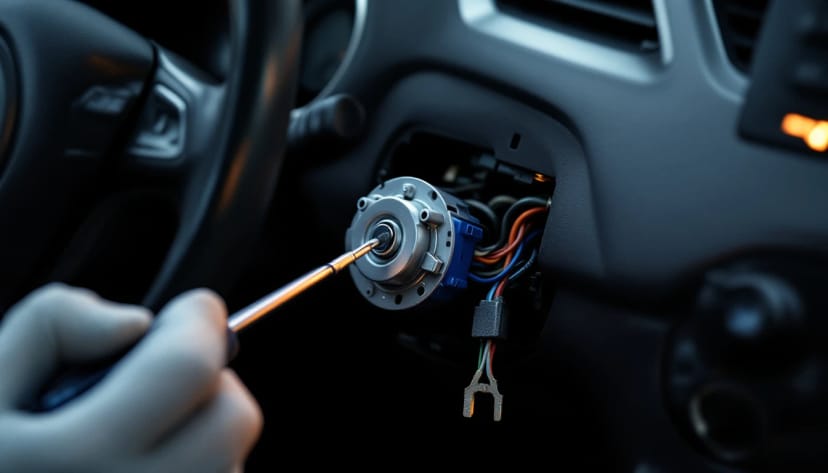
- Programs the transponder chip to the immobilizer through the OBD-II port so the key starts the car.
- Tests that the valet key starts and drives, and confirms it does not open the restricted compartments.
- Recommends keeping the master key safe and, if you are down to one key overall, cutting a spare so you are never in an all-keys-lost situation.
Because we come to you, there is no dealer trip. Vehicle convenience and downtime have real value — AAA's Your Driving Costs research puts ownership well over ten thousand dollars a year — and the U.S. Bureau of Labor Statistics recognizes locksmithing as a skilled trade because cutting to a specific valet code and programming the chip takes proper tools and knowledge. Per the Associated Locksmiths of America, cutting to a manufacturer key code is standard credentialed work.
Why a valet key is worth having
Beyond the obvious parking-attendant use, a valet key earns its keep in several Fort Worth situations:
- Service visits. Hand the shop a valet key and your registration, insurance card, and any personal items stay locked in the glovebox and trunk.
- Lending the car. A friend or family member can borrow the car without access to what you have stored away.
- A safe backup. Because it is a fully functional starting key, a valet key doubles as an emergency spare — turning a potential all-keys-lost crisis into a minor inconvenience. That overlaps with the case for a spare car key.
- Peace of mind at events. Stadium and venue valet lots in the metroplex are exactly the setting the valet key was designed for.
If your car is the newer valet-mode type, you get the same benefits through the software setting — no extra key required.
How the valet cut is derived
A common question is how a locksmith even knows which cuts to omit so the key drives the car but not the trunk. The answer is that the manufacturer assigns the valet restriction as part of the vehicle's key-code data. On cars designed with a valet key, the lock system uses a subset of the wafers or pins for the ignition and doors and a different combination for the trunk and glovebox; the valet key is cut only to the shared subset, so it physically cannot turn the restricted locks. A credentialed operator cuts to the vehicle's key code — derived from the VIN or by decoding the locks — and produces the correct valet pattern for your specific model, then programs the transponder so it starts.
That is also why a valet key is not something you can improvise by filing down a spare: get the cut wrong and you either lock yourself out of the trunk entirely or defeat the restriction that made it a valet key in the first place. It is precise, code-based work — exactly the kind of key-code cutting the Associated Locksmiths of America treats as core credentialed practice. If your vehicle never had a factory valet cut, a locksmith can still make you a fully functional spare key; it simply will not have the trunk restriction, because that restriction only exists where the manufacturer built it in.
How to hire the right locksmith for a valet key in Fort Worth
Before you book:
- Confirm whether your car uses a valet key or valet mode — check the owner's manual or ask the operator.
- Confirm the operator is licensed through Texas DPS Private Security. Texas regulates locksmith companies through the Texas Department of Public Safety, not a general trade board. Ask for the license and verify it.
- Ask for a flat price for the valet/transponder key before dispatch.
- Confirm they cut to the correct valet code and program the chip on-site.
- Make sure they come to you. Fort Worth Car Keys is mobile-only; we serve Fort Worth, Arlington, Keller, and Hurst.
You can reach Fort Worth Car Keys at (817) 842-1256 or contact@fortworthcarkeys.com, 8AM-8PM seven days a week. For overall pricing, see our car key replacement cost in Fort Worth page, and if you are unsure of the difference between key types, our transponder key vs. key fob guide helps.
Frequently Asked Questions
What is a valet key and how is it different from my regular key?
A valet key is a limited-access key that starts and drives the car but is restricted from opening the trunk, the glovebox, or both, so you can hand it to a parking attendant or mechanic without giving access to your valuables and documents. Your master key does everything the valet key does plus opens those locked compartments. On many cars the valet key is a plainer key with no remote buttons.
How much does a valet key replacement cost in Fort Worth in 2026?
A valet key is programmed like any transponder key for your vehicle, so it falls in the $120-$200 transponder band on most cars; a smart-key vehicle's valet or emergency blade situation can fall in the $220-$500 smart band. Because a valet key often has no remote buttons, it can be at the lower end. A mobile locksmith confirms the price once they know your year, make, and model.
Do all cars have a valet key?
No. Valet keys were most common on sedans and luxury cars with a lockable trunk and glovebox, especially from the 1990s through the 2010s. Many modern push-button-start cars handle valet restrictions through a software valet mode instead of a separate physical key, and some vehicles never offered one. Whether you can have a valet key depends on the specific vehicle.
Can a mobile locksmith make a valet key in Fort Worth?
Yes. Fort Worth Car Keys is fully mobile and comes to your home, workplace, or a parking lot anywhere in Fort Worth and the surrounding cities. We cut and program a valet or standard key to your vehicle on-site through the OBD-II port and test that it starts the car. We work 8AM-8PM, seven days a week.
Does a valet key still need a transponder chip?
Yes, on any vehicle with an immobilizer. A valet key still has to be recognized by the immobilizer to start the engine, so it carries a transponder chip and must be programmed just like a master key. The valet restriction is about which locks the blade physically operates (trunk, glovebox), not about whether it has a chip.
What if my car uses valet mode instead of a valet key?
Many newer push-button-start vehicles skip the separate valet key and use a software valet mode you enable from the dash or infotainment, sometimes with a PIN, which limits speed or locks certain features. In that case there is no separate key to replace; you simply hand over your normal fob and enable valet mode. Your owner's manual explains whether your car uses a valet key or valet mode.
Will I need proof of ownership for a valet key?
For a straightforward valet or spare key where you already have a working master key, generally no. If you have no working key at all, it becomes an all-keys-lost job and proof of ownership is required: a title or current registration matching the vehicle plus a government-issued photo ID. This is standard for any legitimate licensed locksmith.
References & external sources
- FTC Consumer Advice — Hiring a Locksmith — Federal Trade Commission guidance on getting an estimate before work.
- National Highway Traffic Safety Administration (NHTSA) — Anti-Theft Systems — Federal immobilizer and anti-theft standard (FMVSS 114) behind transponder keys.
- Associated Locksmiths of America (ALOA) — Trade association governing locksmith certification and key-code cutting standards.
- Texas Department of Public Safety — Private Security — Texas locksmith company and individual licensing authority.
- U.S. Bureau of Labor Statistics — Locksmiths (49-9094) — National wage and employment data for the locksmith occupation.
- AAA — Your Driving Costs — Annual vehicle-ownership cost study, including downtime context.