Anti-theft light flashing, car won't start in Fort Worth, in one screen
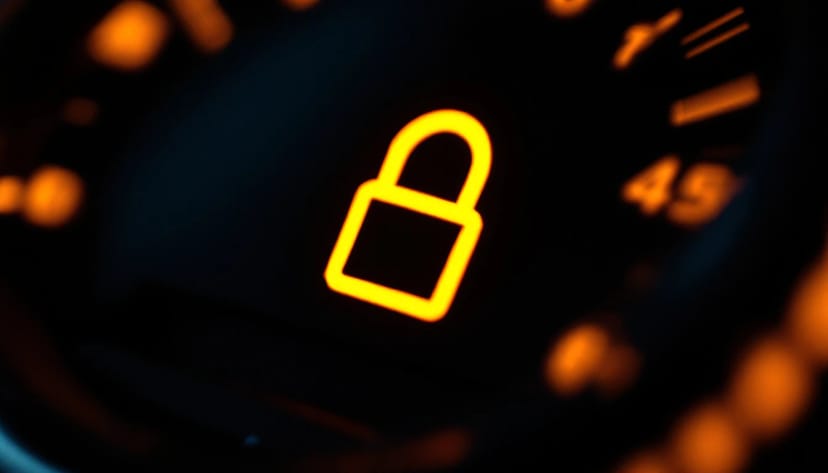
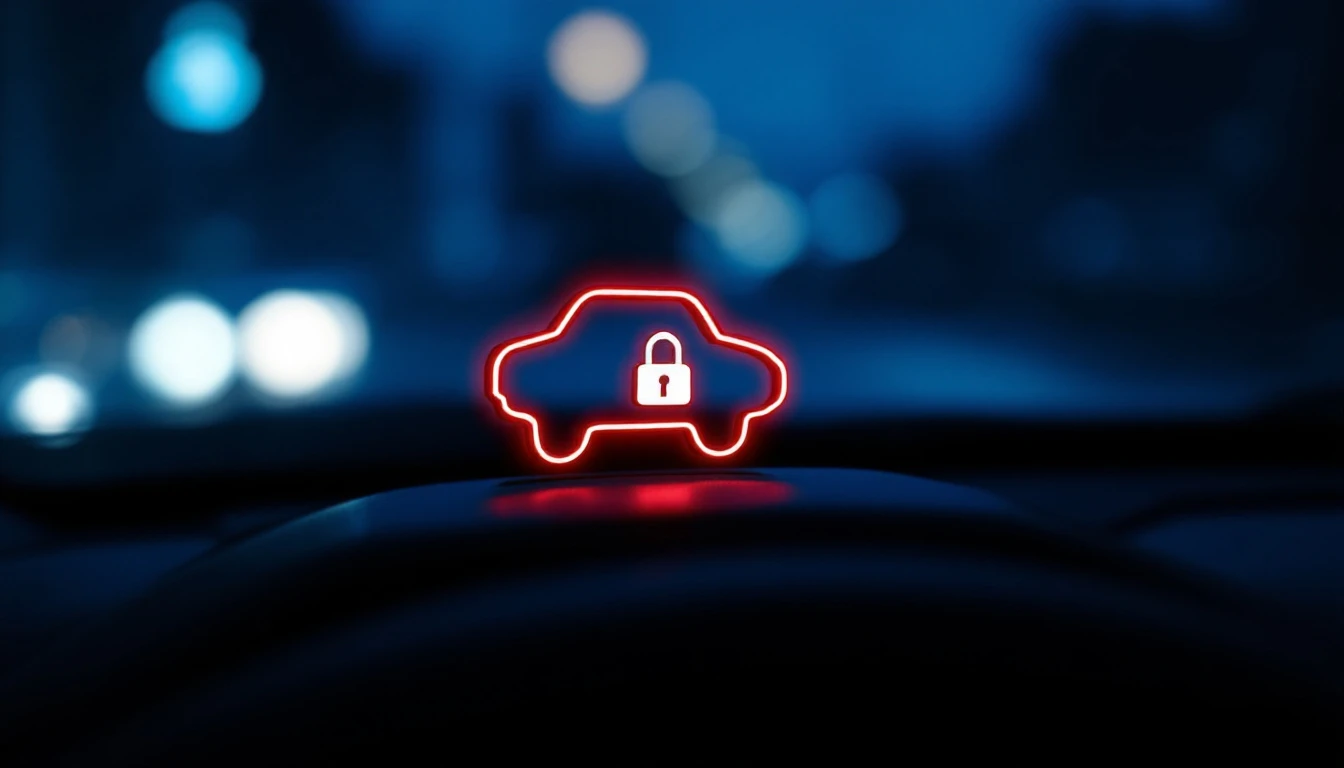
You turn the key or press start, the engine cranks — or does nothing — and a little flashing light shaped like a car with a key or a padlock is blinking on the dash. That is the anti-theft (security/immobilizer) light, and when it flashes alongside a no-start, it is telling you the car does not recognize its key and is refusing to run on purpose.
As of September 2026, here is the short version for Fort Worth drivers:
- A flashing anti-theft light with a no-start almost always means the immobilizer is not reading your key.
- The cause is either key-side (weak fob battery, damaged chip, unprogrammed key) or vehicle-side (failed antenna ring, immobilizer/BCM fault, low 12V battery).
- Try the safe resets first — battery, correct key, backup start spot, key-on wait — before assuming you need a new key.
- A mobile locksmith scans the immobilizer on-site to see whether the key is detected at all, then fixes the actual cause.
The Federal Trade Commission's guidance on hiring a locksmith recommends a diagnosis and estimate before work — and this is a problem you never want guessed, because the fix ranges from a two-dollar battery to a module repair.
What the anti-theft light is actually doing
Every car built since the late 1990s has an immobilizer, mandated in spirit by the anti-theft framework the National Highway Traffic Safety Administration oversees (FMVSS 114). Its job is simple and stubborn: before the engine is allowed to run, the immobilizer checks that the key in the ignition — or the fob in the cabin — carries the correct electronic credential. No valid credential, no engine. That is the entire point; it is what makes a stolen car hard to drive away.
When that check fails, the immobilizer:
- Flashes the anti-theft/security light to tell you the check failed, and
- Cuts fuel and/or ignition, so the engine may crank but will not start, or will fire and immediately stall.
So a flashing security light with a no-start is not a random gremlin. It is the immobilizer doing exactly what it is designed to do — because for some reason it did not see a valid key. The whole diagnosis comes down to one question: why didn't it see the key? Our no key detected / immobilizer service in Fort Worth and module programming pages cover the deeper work.
The security light is honest — it is telling you the immobilizer did not authenticate the key. What it does not tell you is why. Is the fob battery dead? Is the chip damaged? Is the antenna ring around the ignition failing? Is the module bad? Those are four completely different bills. That is why we scan before we sell a key. I never want a customer paying for a new key when a coin cell or an antenna was the real problem.
— ALOA Registered Locksmith (RL), DFW automotive-specialty operator, 12 years experience (anonymized)
Safe resets you can try first
Before you call anyone, run through these. They are safe, cost little or nothing, and clear a real share of security-light no-starts.
- Replace a weak fob battery. A fading coin cell is the single most common cause of intermittent immobilizer failures. Swap it (see car key battery replacement) and try again.
- Use the correct key. It sounds obvious, but a similar-looking key from another vehicle, or an un-programmed spare, will trip the light. Try your known-good key.
- Use the push-button backup spot. On keyless cars, hold the fob against the marked location (often the start button or steering column) so the car reads the chip directly, then press start.
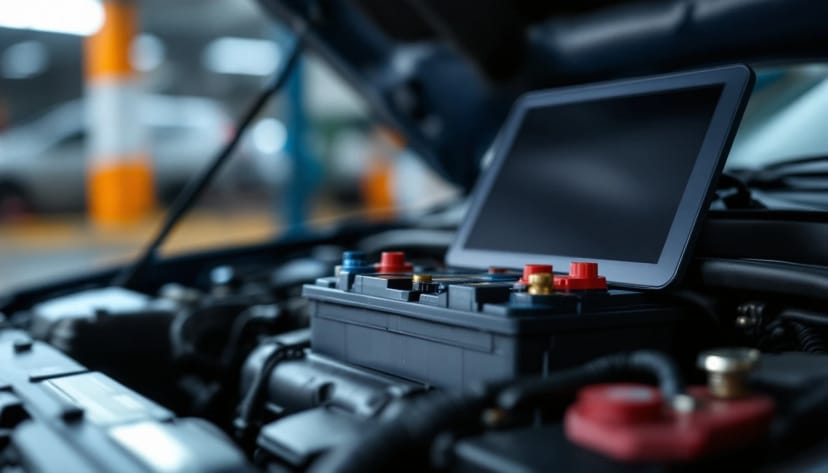
- Check the 12V battery. A low or dead main battery can confuse the immobilizer and mimic a key fault. If the car has been slow to start or the dash was dim, charge or jump it.
- Try the key-on wait. On some vehicles, turning the key to the ON position (not cranking) and waiting several minutes lets a temporary anti-theft lockout time out; then try to start. A full lock-then-unlock with the fob can also clear some systems.
- Do not keep cranking. Repeated failed starts can deepen the lockout on some cars and drain the battery.
If the light keeps flashing and the car will not start after these, stop. The next step is a scan, not more guessing.
Cause and cost: what a flashing security light means for your wallet
This table maps the underlying cause to the realistic Fort Worth cost picture. The operator confirms after scanning.
| Underlying cause | What it is | Fort Worth cost picture |
|---|---|---|
| Weak fob battery | Coin cell too low to authenticate | ~ $2-$5 battery |
| Low/dead 12V battery | Main battery confusing the module | Jump/charge, then retest |
| Damaged or worn key chip | Transponder failing to be read | $120-$200 (new transponder key) |
| Unprogrammed / wrong key | Key not registered to the car | Program key, $120-$500 by type |
| Failed antenna ring | Reader around ignition/start not picking up chip | Antenna diagnosis/repair |
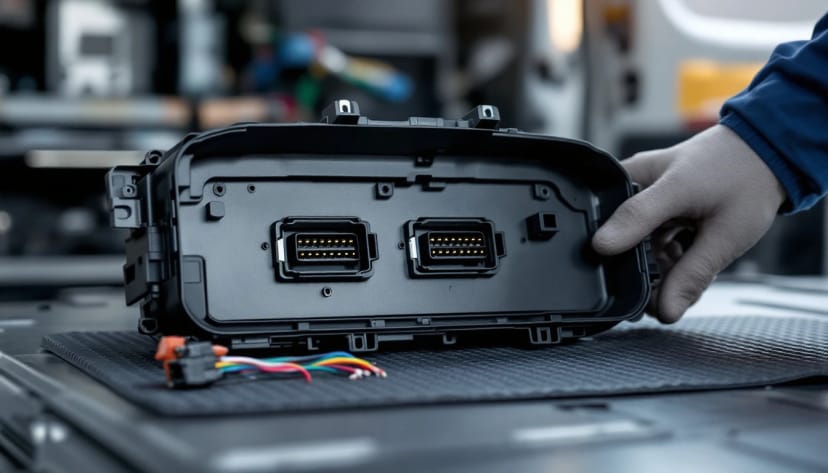
| Immobilizer / BCM fault | Module itself failing | Module diagnosis/repair |
| Anti-theft lockout | Protective mode after a failed program | Reset by licensed operator |
| All keys lost + security light | No working key at all | AKL $180-$450+ + proof of ownership |
A note on the ranges: the point of scanning first is that these fixes are wildly different in price. A dead coin cell and a bad immobilizer module both flash the same light, and only a scan tells them apart. A good operator never sells you the expensive fix without proving the cheap ones are ruled out.
Key-side vs. vehicle-side: how a locksmith tells them apart
The whole diagnosis pivots on one reading: is the immobilizer detecting the key at all?
- If the key is not being detected, the problem is key-side — a dead fob battery, a damaged or unprogrammed chip — or the reader that senses it (the antenna ring). The locksmith checks battery and chip first, then the antenna.
- If the key is being detected but authentication still fails, the problem is more likely the immobilizer module or the body control module (BCM) that authorizes the start, or wiring between them.
A licensed operator connects a professional scan tool to the OBD-II port, reads the immobilizer's own status and any stored fault codes, and follows that evidence. This is exactly the diagnostic discipline the Associated Locksmiths of America sets as the standard for automotive work, and it is why the U.S. Bureau of Labor Statistics classifies locksmithing as a skilled trade — the scan-first method is training, not guesswork. Certain makes have signature patterns here: GM's Passlock/theft-deterrent faults, Nissan/Infiniti BCM issues, and Chrysler-family RF-hub failures each present as a security light and a no-start while the key is perfectly fine.
When it is the key — and when it is not
Because the same light covers so many causes, here is the honest breakdown of what we actually find in Fort Worth:
Often the key (or its battery):
- A faded fob battery — the cheapest and most common fix.
- A chip damaged by years of wear, heat, or a drop.
- An un-programmed spare someone tried to use.
Often the vehicle:
- A failing antenna ring that reads the key only sometimes (classic intermittent no-start that is worse in heat or cold).
- An immobilizer or BCM fault — the module that should authorize the start has failed.
- A low 12V battery destabilizing the whole system.
- An anti-theft lockout left behind by a previous failed programming attempt — common when someone tried a cheap key and it went wrong.
A vehicle that was the target of a break-in or theft attempt deserves special attention: a forced ignition or a botched hot-wire can leave the immobilizer confused and the ignition damaged. That may combine a key job with ignition repair.
One more Fort Worth-specific pattern is worth naming: an intermittent security light that appears mainly on the hottest afternoons or the coldest mornings is a classic sign of a marginal component — usually a fading fob battery or a tired antenna ring — that still works in mild weather but drops out at temperature extremes. Because it is intermittent, owners often ignore it until the day it strands them. If your car has flashed the anti-theft light and refused to start even once, treat it as the early warning it is; diagnosing a marginal battery or antenna now is far cheaper and less stressful than a no-start in a parking lot in August.
Why a mobile locksmith is the right call
A flashing security light with a no-start usually strands the car exactly where it sits — your driveway, a parking lot, a garage. The dealer answer is a tow plus a wait; a mobile locksmith brings the diagnosis and the fix to the car. Vehicle downtime has a real cost — AAA's Your Driving Costs research puts ownership well over ten thousand dollars a year, and a car you cannot start is a car you cannot use.
The mobile advantage is scan-then-fix on-site: we determine whether it is a battery, a key, an antenna, or a module before anyone spends money, then cut and program a key or identify the module fault right there. For urgent situations, our 24-hour car locksmith in Fort Worth and emergency car locksmith pages explain same-day dispatch.
How to hire the right locksmith for a security-light no-start in Fort Worth
Before you book:
- Confirm the operator will scan the immobilizer before selling a key — this is the whole point.
- Confirm the operator is licensed through Texas DPS Private Security. Texas regulates locksmith companies through the Texas Department of Public Safety, not a general trade board. Ask for the license and verify it.
- Ask for a diagnosis-first approach — battery and chip ruled out before module work.
- Confirm they can cut and program a key on-site if that is the cause.
- Make sure they come to you. Fort Worth Car Keys is mobile-only; we serve Fort Worth, Arlington, Keller, and Hurst.
You can reach Fort Worth Car Keys at (817) 842-1256 or contact@fortworthcarkeys.com, 8AM-8PM seven days a week. For overall pricing, see our car key replacement cost in Fort Worth page, and for the related trouble of a car key that won't turn, our companion guide helps.
September 2026 field notes — what these calls actually turned out to be
A note on what we are seeing right now, because the mix shifts through the year and the first week of September brought a run of these.
The most common single outcome this month has not been a failed key at all. It has been a weak or recently disconnected battery. A security-light no-start following a jump start, a battery replacement, or a car that sat for two weeks is very often the immobilizer being unable to complete its handshake on marginal voltage rather than anything wrong with the key. Where that is the cause, the light clears once voltage is stable and nothing needs programming. It is worth ruling out before paying anybody for key work, and it is the reason we ask on the phone whether the battery has been touched recently.
The second pattern worth naming is a partially written key list. Two keys go in for programming, one registers cleanly and the other does not, and the symptom shows up weeks later as an intermittent security light and one key that has quietly stopped working. If one of your keys behaves differently from the other, that is the branch to read: one key works and the other does not covers how we separate a key fault from a vehicle fault.
Third, and this is the expensive one, a security light that appears alongside cranking but no run on a vehicle with distributed immobilizer functions is often a module conversation rather than a key conversation. The engine controller, body control module and sometimes the instrument cluster each hold part of the security relationship, and when one of them stops agreeing with the others no amount of key cutting helps. Realistic costs for that work are in module programming cost, and the Infiniti Q50 and QX60 BCM and immobilizer write-up is a good illustration of how layered these systems have become on some makes.
Finally, if the engine turns over normally and simply will not run, with or without a light, key turns but nothing happens walks that specific symptom from the cheapest cause to the most expensive. Prices quoted on this page are unchanged from our August figures and remain current as of September 2026.
Frequently Asked Questions
What does a flashing anti-theft or security light mean when my car won't start?
It almost always means the immobilizer is not recognizing your key, so it is blocking the engine from running as an anti-theft measure. The car may crank but stall or not fire at all, and the fuel or ignition is cut. Common causes are a weak fob battery, a damaged or unprogrammed key, a faulty antenna ring around the ignition, or an immobilizer module fault. A scan tool pinpoints which.
How do I reset a flashing anti-theft light so my car will start?
Try the safe resets first: replace a weak fob battery, hold the fob against the marked backup spot on a push-button car, make sure you are using the correct key, and on some models the key-in-on-position wait (turn to on and wait several minutes) or a full lock-unlock cycle clears a temporary lockout. If the light keeps flashing and the car still will not start, stop guessing and have the immobilizer scanned.
Is a flashing security light a key problem or a car problem?
It can be either, which is exactly why it must be scanned rather than guessed. Key-side causes include a weak fob battery, a damaged chip, or an unprogrammed key. Vehicle-side causes include a failed antenna ring, an immobilizer or body-control-module fault, or wiring issues. A locksmith reads the immobilizer to see whether the key is being detected at all before recommending a new key or a module repair.
Can a mobile locksmith fix a flashing anti-theft no-start in Fort Worth?
Yes. Fort Worth Car Keys is fully mobile and comes to your home, workplace, or a parking lot anywhere in Fort Worth and the surrounding cities. We scan the immobilizer, determine whether the key is being read, and either cut and program a new key or identify the module or antenna fault, on-site. We work 8AM-8PM, seven days a week.
How much does it cost to fix an immobilizer no-start in Fort Worth?
It depends on the cause. If it is a weak fob battery, it is a couple of dollars. If a key needs to be replaced and programmed, that is the transponder $120-$200 or smart-key $220-$500 band. If the antenna ring or immobilizer module is faulty, that is a module diagnosis and repair. A mobile locksmith quotes after scanning, so you are not paying for a new key you may not need.
Why did the anti-theft light come on out of nowhere?
Common triggers include a fob battery that finally faded, a key chip damaged over time, a failing antenna ring that reads the key intermittently, a low or dead 12V battery confusing the module, or a previous failed programming attempt that put the immobilizer into a protective lockout. Weather extremes can also make a marginal system fail first on the hottest or coldest day.
Will I need proof of ownership to fix a security-light no-start?
If the fix is a battery, a reset, or a module diagnosis, generally no. If it turns out you need keys made and you have no working key at all, it becomes an all-keys-lost job and proof of ownership is required: a title or current registration matching the vehicle plus a government-issued photo ID. This is standard for any legitimate licensed locksmith.
References & external sources
- National Highway Traffic Safety Administration (NHTSA) — Anti-Theft Systems — Federal immobilizer and anti-theft standard (FMVSS 114) behind the security light.
- FTC Consumer Advice — Hiring a Locksmith — Federal Trade Commission guidance on getting a diagnosis and estimate before work.
- Associated Locksmiths of America (ALOA) — Trade association governing locksmith certification and immobilizer-diagnosis standards.
- Texas Department of Public Safety — Private Security — Texas locksmith company and individual licensing authority.
- U.S. Bureau of Labor Statistics — Locksmiths (49-9094) — National wage and employment data for the locksmith occupation.
- AAA — Your Driving Costs — Annual vehicle-ownership cost study, including downtime context.